Two deaths in Minneapolis put the use-of-force spotlight back on the law that governs split-second decisions. We sit down with civil rights attorney Dave O’Brien to unpack what “objectively reasonable” really means, why context can flip a verdict, and how video and policy collide when officers use deadly force. From Section 1983 and Bivens claims to the steep climb of qualified immunity, we sort the civil pathway from criminal prosecutions and explain why the burden to show a clearly established violation often decides whether families ever see a jury.
We look closely at vehicle incidents through Tennessee v. Garner and the duty to use the least force that will work. What about slow-moving cars, blocked-in alleys, and officers stepping into danger? Dave details the doctrine against officer-created jeopardy and why courts are shifting focus from the last two seconds to the totality of circumstances. We also examine practical evidence like speed estimates and National Highway Traffic Safety Administration data that undercut “car as weapon” claims at low speeds. And no, shooting the tires isn’t a safe solution; training directs center mass only when a true deadly threat exists.
The second case tests the edge where Second Amendment rights meet police authority. Possessing a firearm is not, by itself, justification for deadly force. We explore why observable, aggressive movement with the weapon matters, how ambiguous shouts of “gun” fit into the legal analysis, and where courts have drawn, and blurred, the lines. Finally, we confront contagious shooting: when one shot triggers many, each round still needs its own legal footing. We talk policy, supervision, Monell liability, and the leadership choices that reduce risk before sirens even start.
If you’re ready for a clear, grounded take on deadly force, qualified immunity, and what evidence actually moves courts, press play. Then share the episode, subscribe for part two, and leave a review with the one reform you think would save the most lives.
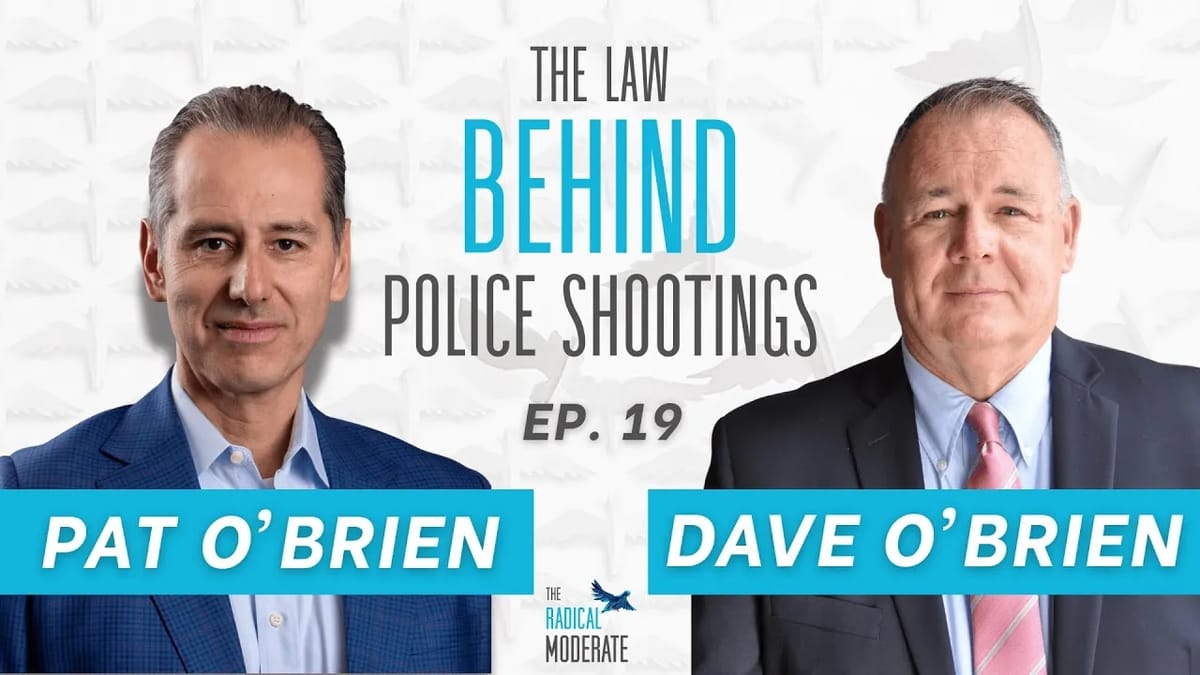
Ep. 19 - Deadly Force Standards Explained with Civil Rights Attorney Dave O'Brien
Written by: