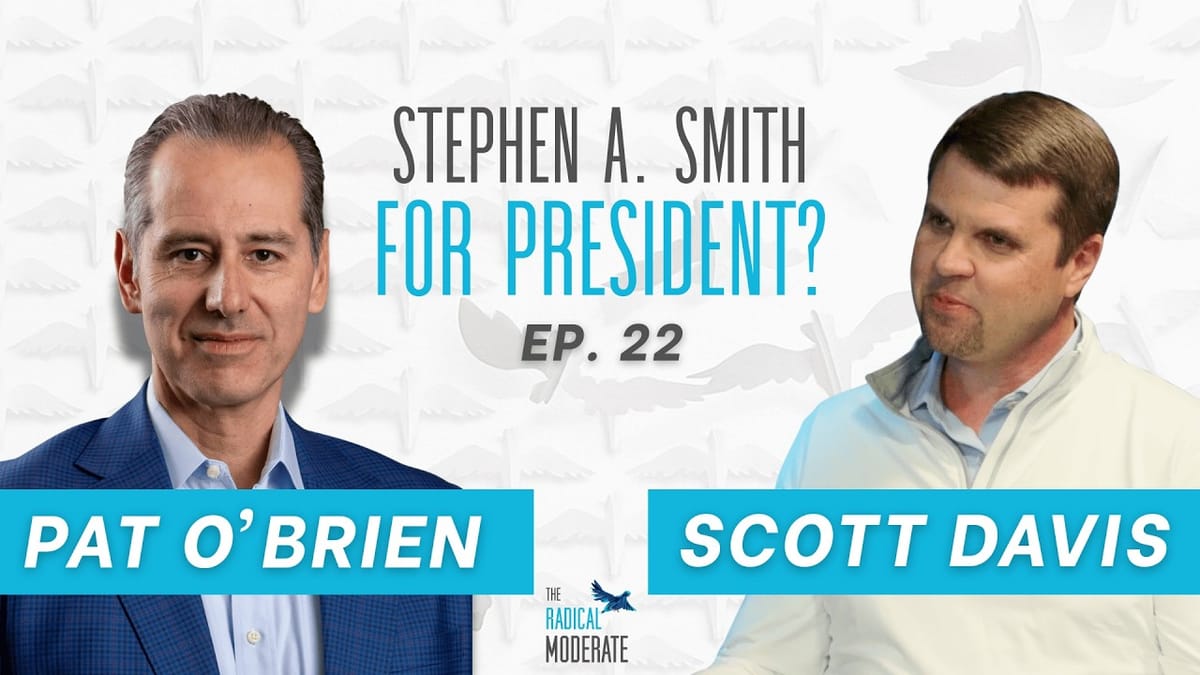
What happens when a sports heavyweight starts speaking like a candidate and college athletics starts operating like a startup? We connect the dots between Stephen A. Smith’s jump into political commentary and the market forces transforming NIL-era college sports, tracing one big idea: disruption favors the voices and programs that adapt fastest while staying legible to the people they serve.
We start with the media “melting pot” that pairs ideological opposites to chase credibility and reach. Stephen's willingness to praise and criticize both sides reads as rare honesty in a climate that’s exhausted by scripts, and that mix of confidence, clarity, and stagecraft feels built for modern politics. The question isn’t just “Will he run?” It’s why a candid, high-visibility communicator can command trust where party loyalists cannot, and what that says about voters craving normal, practical leadership over purity tests.
From there, we pivot into college football and basketball, where NIL and the transfer portal have upended roster building and budgets. The results are messy and magnetic. Viewership is surging, storylines are sharper, and programs need more than recruiters; they need contract fluency, incentive design, and GM-level strategy. We unpack how guaranteed money can dull commitment, why smarter contracts and tight eligibility rules are essential, and how administrators must treat athletics like the business it has become without losing the soul that makes campus sports beloved. Fans still want walk-on grit and four-year arcs, but they also want parity, fresh heroes, and meaningful stakes every week.
Threaded through all of it is a simple, demanding lesson: competition clarifies. Parties are vehicles, not destinies. Athletic departments are enterprises, not hobbies. The winners will be the ones who evolve in public, reward performance without crushing autonomy, and communicate like real people under real pressure.
If this resonates, subscribe, share this episode with a friend who lives for March or campaign season, and leave a quick review to tell us where you stand on regulation vs. the free market in college sports. We’re listening.