
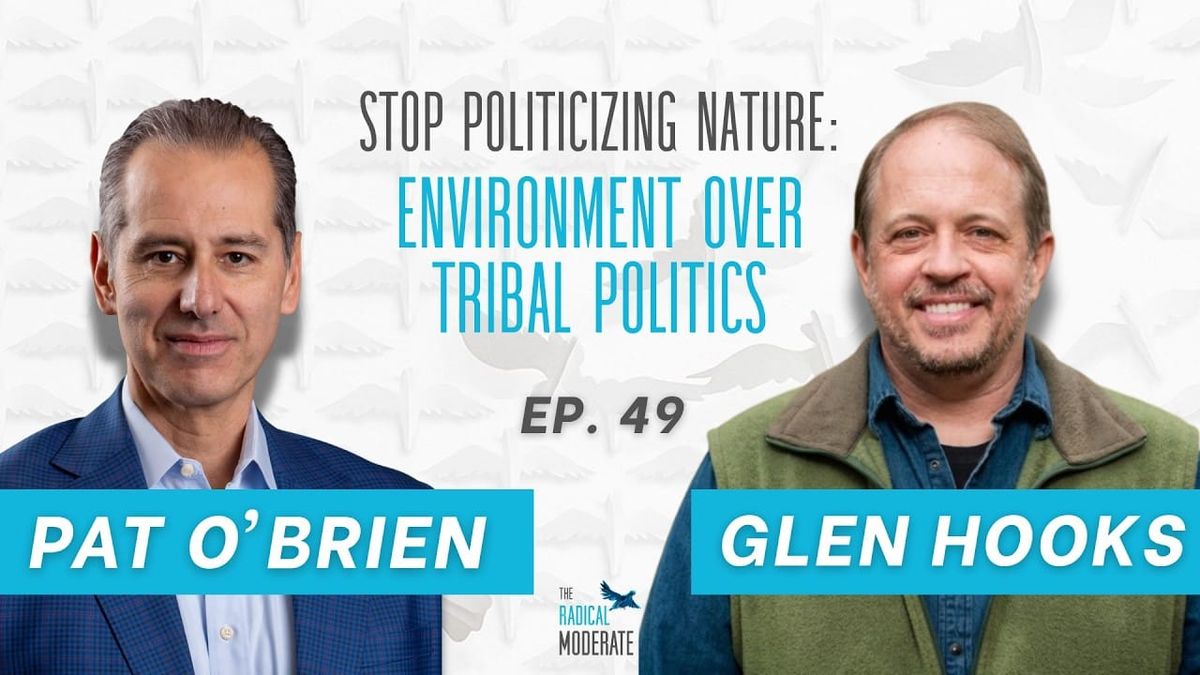
Treating clean water and stable power grids as partisan battlegrounds is a fast track to economic and environmental failure. As energy costs fluctuate and shifting weather patterns disrupt local ecosystems, finding common ground on energy policy is a basic necessity for communities to thrive right now. Glen Hooks, policy manager for Audubon Delta in Arkansas, joins the show to share how he successfully advocates for conservation and clean energy across the political spectrum.
We sit down to unpack the direct link between shifting migratory patterns and our heavy reliance on fossil fuels for electrical power production. We talk about how Audubon collaborates with non-traditional allies like farmers, ranchers, and hunters to develop habitat management plans that protect at-risk species like the Sandhill Crane. Glen also shares his primary philosophy for advocacy: leading with hard economics and job creation rather than climate anxiety to get state-level legislation passed.
Navigating state capitols means dealing directly with performative ignorance and entrenched tribalism that stalls progress on clean energy initiatives. Passing policies that benefit local communities requires cutting through the noise of social media arguments and focusing on the unvarnished math of solar and wind incentives. You will walk away understanding how to frame environmental issues around cost savings, grid stability, and local job growth to actually move the needle with decision-makers.
If you care about energy economics, habitat conservation, and breaking political gridlock, you’ll get a lot from this. Please subscribe to the channel and share this episode with someone interested in the mechanics of local policy. What is the biggest barrier keeping your local community from adopting cleaner energy sources?