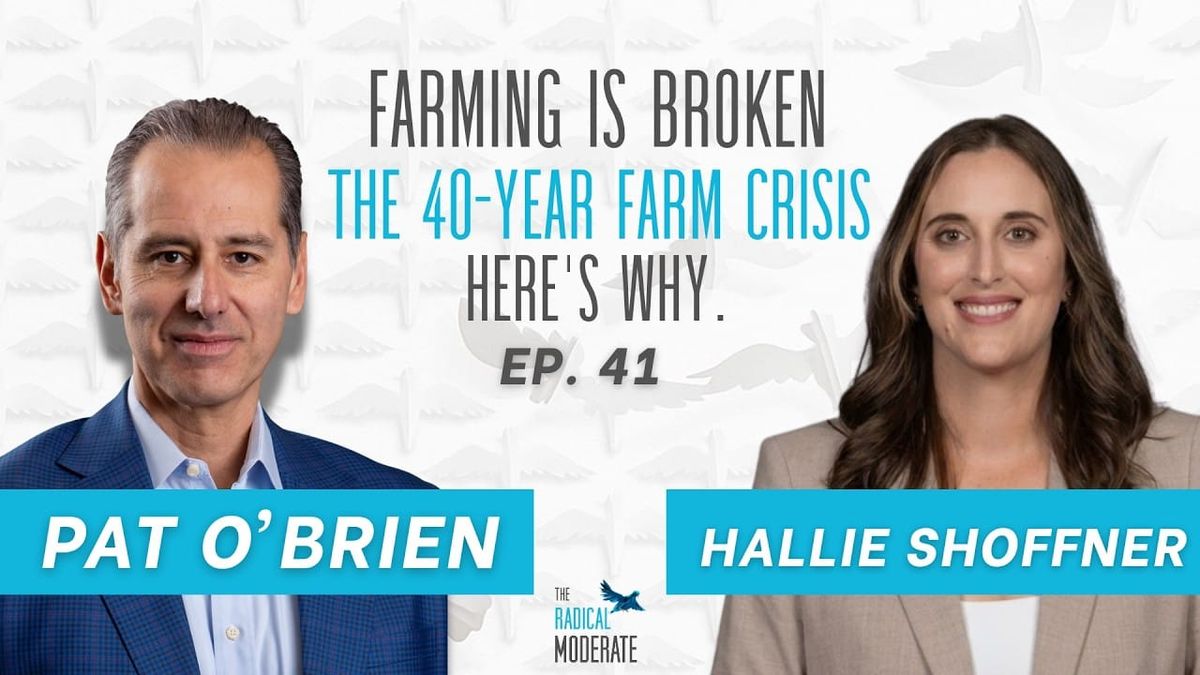
A rigged agricultural system is quietly bankrupting multi-generational family farms across the country. With record numbers of farm closures and an economic squeeze caused by global trade wars and consolidated supply chains, understanding the root cause of this market failure is critical for anyone trying to navigate the modern agricultural economy. Hallie Shoffner, a sixth-generation Arkansas farmer and US Senate candidate, brings her firsthand experience of liquidating her family's operation to expose the foundational flaws in modern farm policy.
We sit down to dissect the reality of the farm bill and why the current federal subsidy model entirely misses the mark. We dive into the dangers of prioritizing high-volume, low-value commodities, the massive impact of consolidated ag-vendors on rising input costs, and the way bridge payments function as direct corporate bailouts instead of actual farmer relief. Hallie shares her blueprint for transitioning rural acres toward specialty crops and localized processing, arguing that diversifying what we grow is the only viable path to saving the industry and feeding local communities.
The harsh reality of running an agricultural operation today involves carrying the massive emotional and financial burden of trying to keep a legacy afloat in a market inherently designed against you. We discuss the devastating spike in farm auctions, the staggering rates of farmer suicides, and the deep frustration of watching federal aid flow directly into the hands of equipment manufacturers and chemical companies. You will walk away with a clear understanding of why merely treating the symptoms of market volatility will never save the agricultural sector without a fundamental, systemic overhaul.
If you care about agricultural policy, supply chain resilience, and the economic survival of rural communities, you’ll get a lot from this. Please subscribe to the channel and share this episode with anyone interested in the real dynamics of American farming. What is the most critical systemic issue in your industry that leaders are afraid to name?