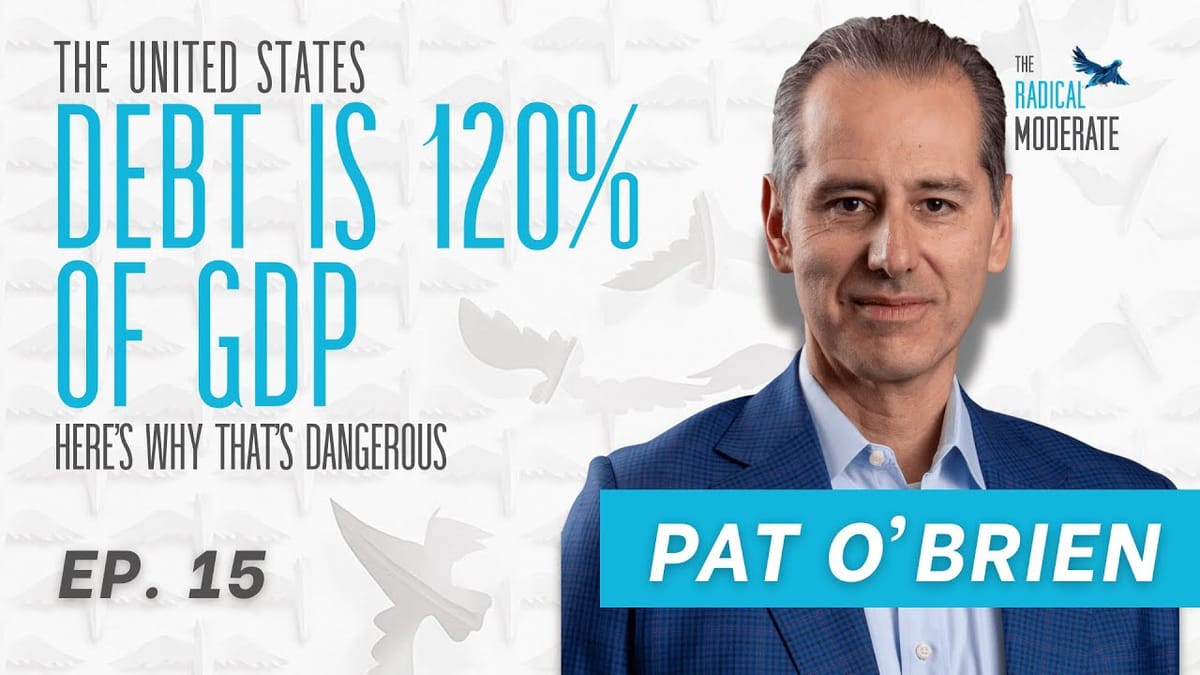
A 38 trillion dollar debt is a big number, but the ratio is the real warning sign. We walk through a century of U.S. debt-to-GDP, from a lean 16 percent in 1929 to a wartime peak after WWII, and finally to today’s structurally heavy load near 120 percent. The difference matters: wartime borrowing was a temporary surge with a clear cause and a path to unwind; our current weight is the result of demographics, health care inflation, persistent deficits, and a political culture that promises more than growth can cover.
We dig into the math behind Social Security’s stress test: a worker-to-beneficiary ratio that slid from 5:1 to near 3:1 and is heading toward 2:1. That simple shift drives the entire fiscal outlook, especially when paired with longer lifespans and rising medical costs. Defense outlays won’t shrink in a riskier world, and interest payments now act like an interest-only mortgage on the nation’s balance sheet. Add in uneven growth, tax cuts that didn’t fully pay for themselves, and crisis spending from 2008 and COVID, and you get a debt burden that behaves less like a speed bump and more like a chronic condition.
We also revisit missed chances to turn the ship. Simpson-Bowles outlined a credible path to reduce the ratio toward 60 percent, eventually lower, blending spending reform with new revenue. Politics balked. That leaves a menu of hard but workable steps: gradually raising the retirement age in line with longevity, adjusting benefits progressively, lifting the payroll tax cap, pursuing health care payment reforms and price transparency, broadening legal immigration to strengthen the workforce, and rebuilding a broader tax base. None is a silver bullet; together they form a realistic plan to trade short-term discomfort for long-term stability.
If you care about financial resilience, this conversation offers a clear framework, historical context, and practical moves for households and policymakers.
Subscribe, share with a friend who loves data-driven arguments, and leave a review with the one reform you’d accept today to avoid a harsher reckoning tomorrow.