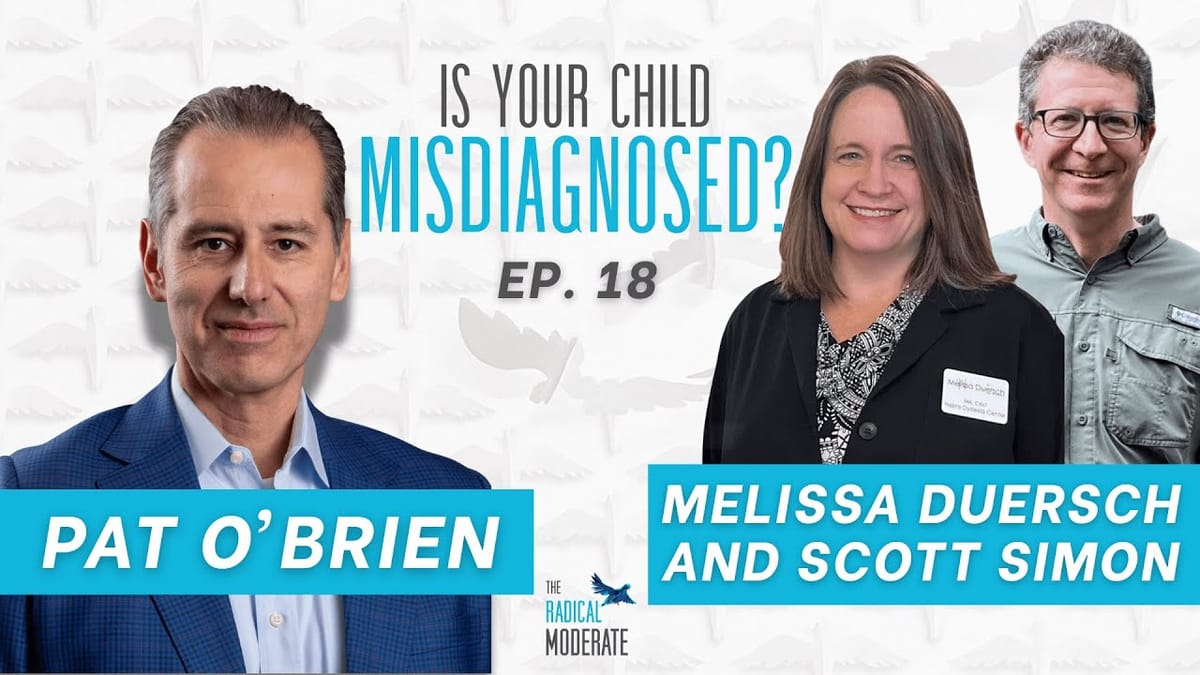
One in five learners may struggle to read, yet the path to support is clearer than most families are told. We sit down with Melissa Duersch of the Nelms Dyslexia Center and Scott Simon of the Don and Millie Nelms Foundation to chart exactly how parents, teachers, and schools can move from confusion to progress. From the first red flags, mispronunciations, trouble recalling the alphabet or days of the week, to statewide screening and rigorous therapist training, we connect the dots between early awareness and real results.
We break down a key distinction: dyslexia is neurological, but the solution is educational. No medication rewires reading; structured literacy does. Melissa explains what effective intervention looks like and why Certified Academic Language Therapists (CALT) are the gold standard, requiring deep study, mentored practice, and a national exam. Scott pulls back the curtain on Arkansas’ model: early, twice-yearly screenings and a push to expand the trained workforce, while calling out the capacity gap that leaves too many students waiting. We also tackle the ADHD overlap and the risk of misdiagnosis when frustration looks like inattention.
Parents get a practical playbook for what to do right now: use audiobooks to build oral language, name and nurture a child’s strengths, and celebrate progress to fuel resilience through hard work. We share stories of students who were once convinced they were “dumb” and later found traction across subjects as confidence grew. Creativity and problem solving aren’t footnotes here; they’re often the very traits that make dyslexic thinkers stand out in classrooms and careers. If your district is deciding how to invest, or your family is looking for the first step, this conversation offers both strategy and hope.
If this resonates, subscribe, share the episode with someone who needs it, and leave a review to help more families find the help they deserve.
Ep. 18 - The Hidden Half: Dyslexia Misunderstood & Underserved | With the Nelm's Dyslexia Center Pt 2
Written by: